Upcoming Theme
September 4, Friday, 2026
The Final Awakening:
Enlightenment through Death
Event Schedule
Dates: August 7 & September 11, 2026
4:30 - 5:30 pm
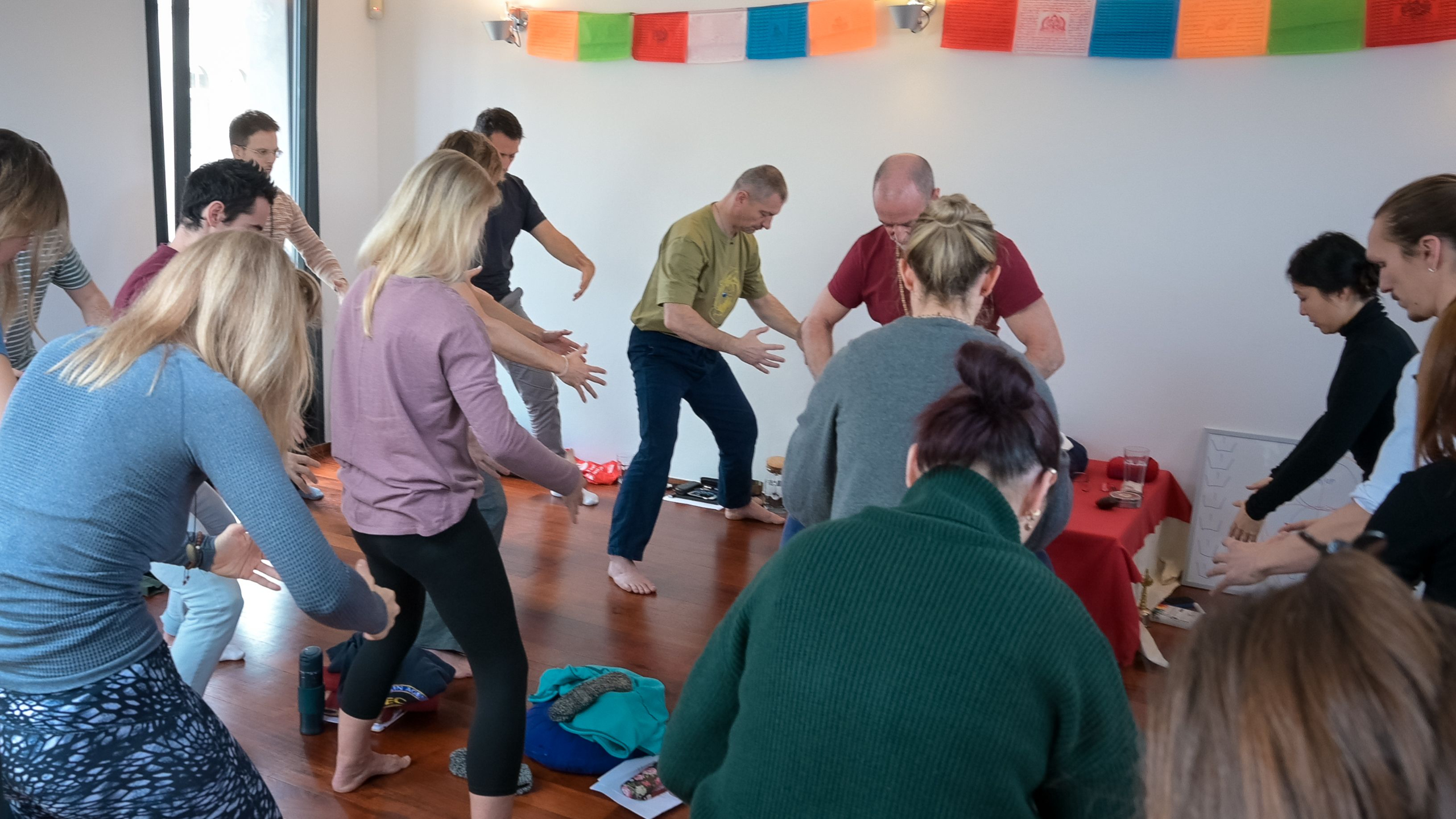
Qigong Class
Swimming Dragon, Shaolin Ba Gua, The 5 Animal Frolics of Hua To
5:30 - 6:30 pm
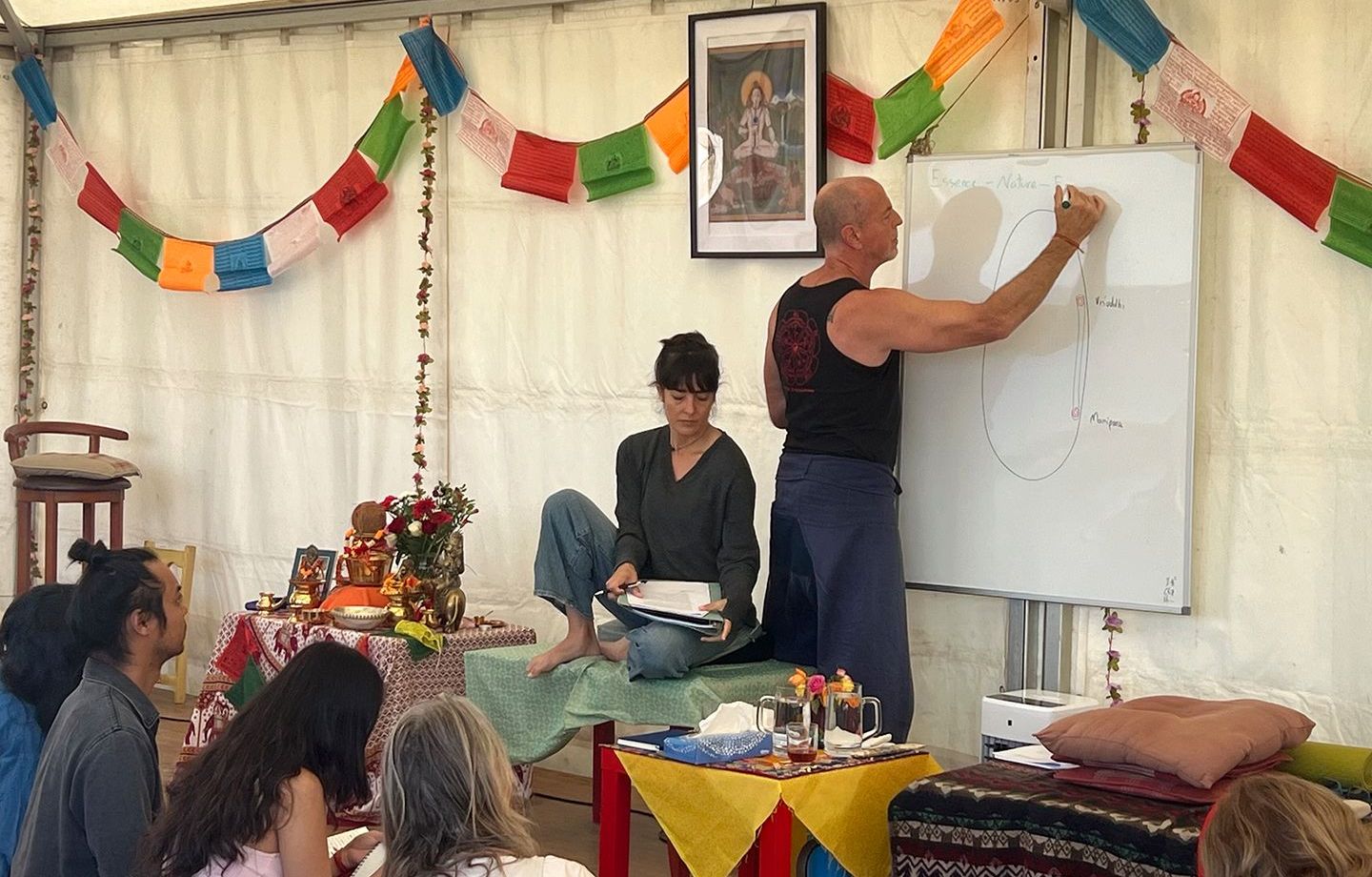
Dharma Talk
Location
Little River Commons*
3 Adney Place, Belfast, Me.
(Click here to view on map)
*Directions: Turn onto Edgecomb Rd. from Hwy. 52, then take the first left.
Parking available.
About the Teacher
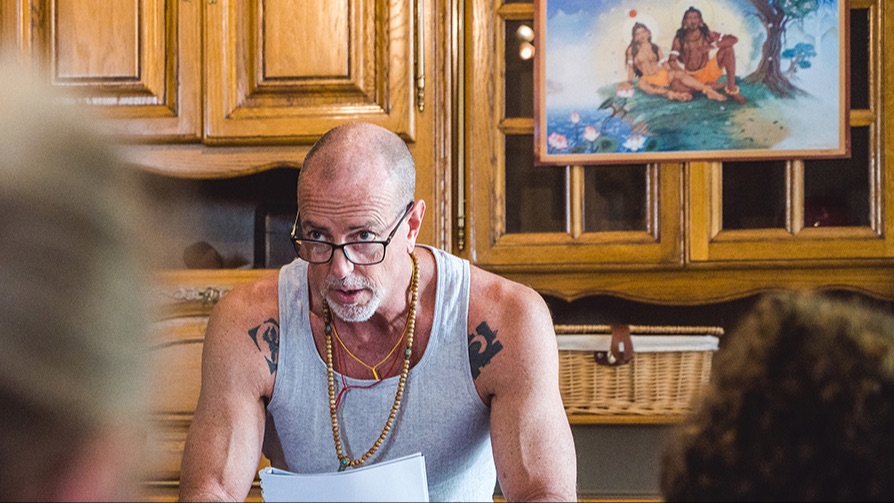
Dharma Bodhi (Kol Martens) is a yogi, meditation teacher, and founder of the Trikāya system.
For more than fifty years, he has studied and practiced the contemplative (nondual) traditions of Yoga, Daoism, Bön, Dzogchen, and Native American wisdom traditions under accomplished masters from around the world.
Drawing on decades of direct instruction from some of the most respected figures within these lineages, including his two Heart Teachers, Swami Satyananda Saraswati and H.H. the 33rd Menri Trizin Lungtok Tenpai Nyima, Dharma offers a practical path of awakening rooted in the living essence of these ancient wisdom traditions.
Through dedicated practice and decades of teaching experience, he has devoted his life's work to making these profound teachings accessible and relevant to modern practitioners. His approach supports individuals on a path of health cultivation, personal empowerment, and self-realization, helping them integrate timeless wisdom into the challenges and opportunities of contemporary life.
Dharma currently resides in Maine with his family, where he continues to dedicate himself to practice, writing, and mentoring students from around the world.